
Tiles Wallpaper and Wall Murals
Tile wallpaper recreates ceramic, terrazzo, mosaic, herringbone, and decorative tile patterns without installing real tile. Choose wallpaper that looks like tile when you want the visual effect of grout lines and repeated shapes on a wall, but prefer a lighter, simpler surface update.


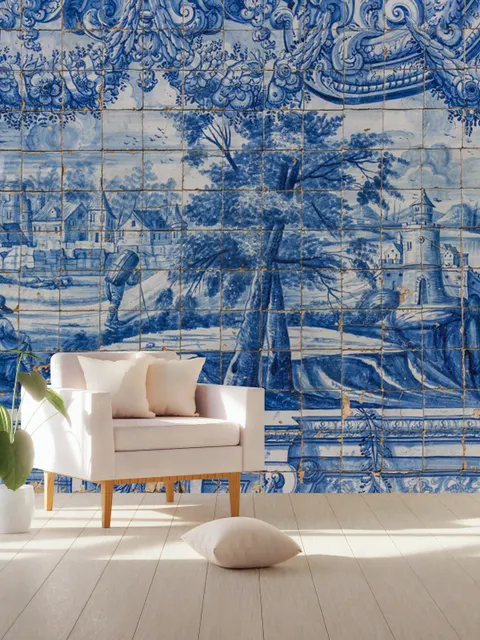


How to Choose Tile Wallpaper by Pattern
Tile wallpaper can copy very different surfaces, so the pattern matters before the color does.
-
Herringbone and chevron: the direction is noticeable, especially on a large wall. Check how the lines will meet cabinets, shelves, or other straight edges.
-
Checkerboard and geometric tiles: stronger contrast makes the wall busier. Softer color combinations are easier in a compact room.
-
Mediterranean and Moroccan designs: these already carry a lot of detail. They sit better next to simpler cabinets, countertops, and furniture.
-
Terrazzo: the scattered pattern is useful on walls with switches, shelving, or other interruptions because there is no single motif that has to stay centered.
-
Faux ceramic and stone: if you want wallpaper that looks like tile, pay close attention to the printed grout lines, shadows, and scale.
Some tile wallpapers are decorative first and realistic second. Others are designed to give a much closer tile look. Decide which effect you want before comparing colors.
Tile Size, Grout Lines, and Color
Small printed tiles create more grout lines, so the wall looks more detailed. A larger tile look wallpaper usually feels calmer, especially across a wide surface.
Grout color changes the result too. Dark lines make the layout more graphic; lighter lines blend into the design. When the wallpaper looks like tile, compare those lines with nearby cabinets, flooring, and countertops rather than looking at the pattern on its own.
For a more realistic result, check the full repeat at wall scale. A close-up can make tile looking wallpaper seem larger or more textured than it will look once installed.
Frequently Asked Questions
Tile wallpaper recreates the look of ceramic, stone, mosaic, terrazzo, herringbone, checkerboard, and decorative patterned tiles without installing real tile.
Kitchens, powder rooms, bathrooms, laundry rooms, dining areas, and entryways are all common choices. Dry walls and areas away from regular splashes are the safest places to use it.
Non-woven works well for a longer-term update. Peel and stick tile wallpaper is useful on a smooth wall when easier installation or future removal matters. Textured options add more surface character.
Yes, but placement matters. Use it on dry walls away from direct shower water, repeated sink splashes, and strong heat. It works well when you want the look of tile without covering the whole surface with real ceramic.