
Fractal Wallpaper
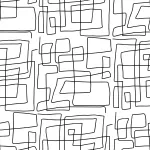






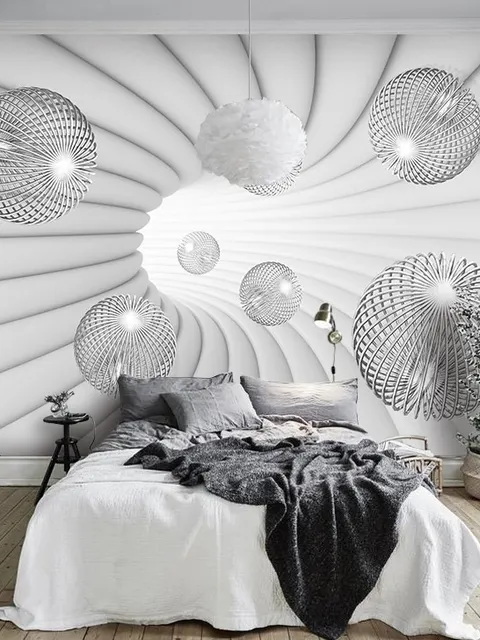
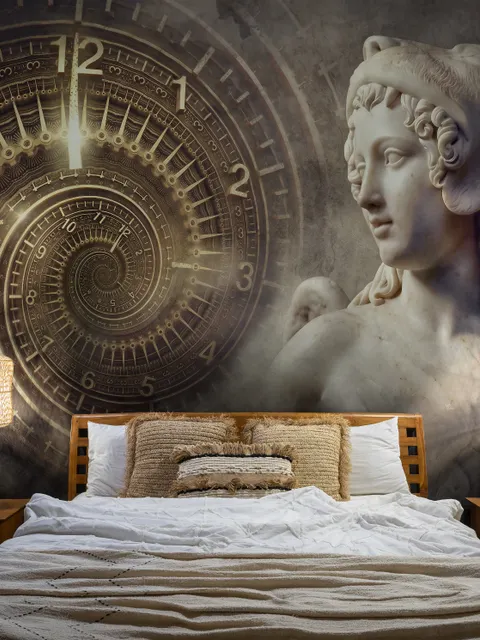
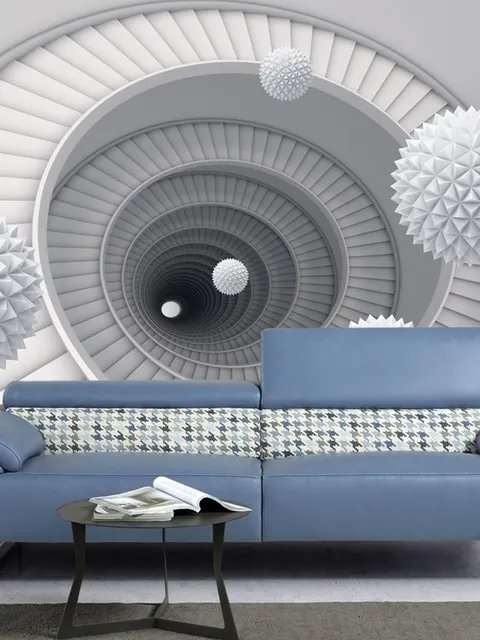
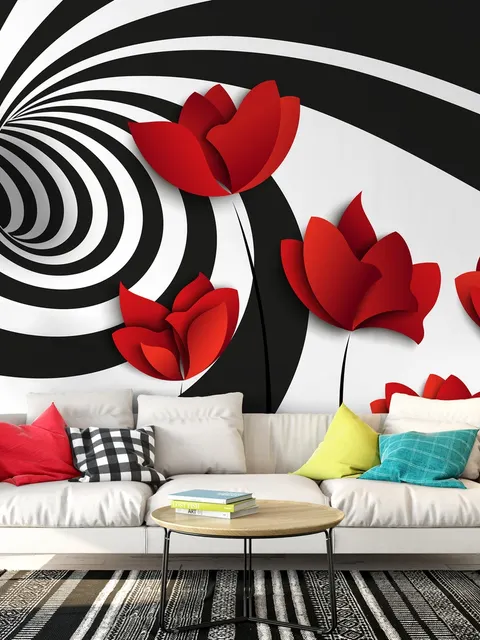
Wallmur's Fractal Collection
The word fractal comes from the Latin fractus, meaning fragmented or broken. This fractal wallpaper collection is prepared especially for those who are fascinated by the visual complexity of these patterns.
Understanding Fractals
We all wonder how fractals are formed, right? Fractals are patterns built from proportionally reduced or enlarged repetitions of a shape. A typical feature of fractal wallpaper is that even a small section of the pattern mirrors the whole — a concept known as self-similarity. Though they may seem complex, fractals follow a certain internal order. Often related to the golden ratio, these shapes offer visual balance and harmony, found both in nature and design.
Fractals in Nature and Decor
We see fractals all around us — in trees, snowflakes, seashells, and even within ourselves. Their repeating patterns give a sense of rhythm and flow, making them an ideal base for fractal design wallpaper. This theme creates both diversity and unity in interior spaces. Wherever you place a fractal wallpaper, it visually expands the area while adding depth.
Designs for Every Space
Our fractal wallpapers come in a variety of styles — geometric, abstract, colorful, or minimalist. Whether you choose a cool fractal wallpaper for your study or a colorful fractal wallpaper for a creative corner, these designs adapt beautifully to the mood of any room. Their difference is their harmony.
Watching them stimulates the imagination. Explore your options and enjoy the visual rhythm.
The Mandelbrot set. Its endlessly repeating edge creates the iconic coast-like curves and spirals that often inspire contemporary geometric prints.
Living rooms, home offices, entries, and a wall behind a bed or sofa. The structured pattern reads cleanly at normal viewing distance and sets a focused, modern backdrop.
Use a soft palette and a medium repeat with open space. Keep large textiles plain, choose simple furniture lines and natural wood, and repeat one colour from the print in a couple of small accents.
Choose an accent wall in compact rooms or when the pattern is high contrast. Full coverage suits larger, bright spaces with a quieter, airy design. Balanced lighting helps either approach feel composed.