
Silver Wallpaper
Silver wallpaper brings a cool metallic sheen to any wall, from soft brushed textures to reflective foil finishes. It works as a quiet, elegant accent or a full-room statement, and pairs easily with white, charcoal, or navy.


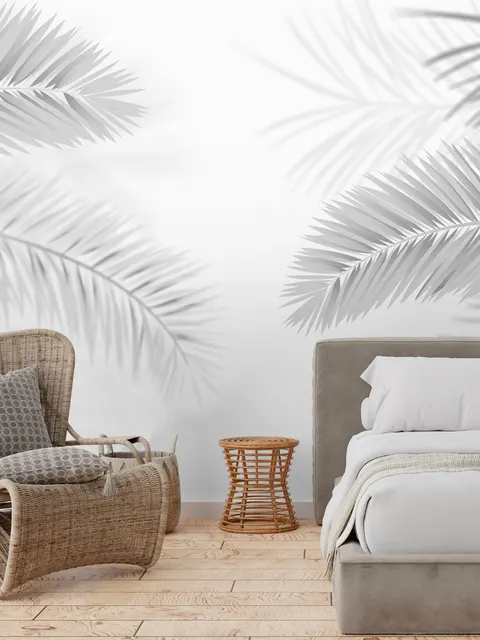
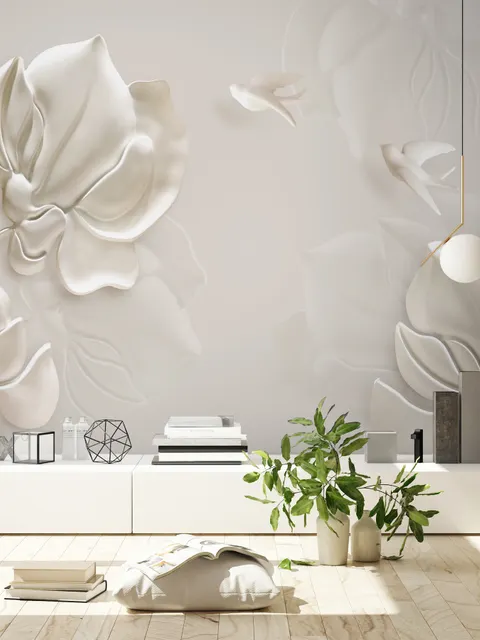

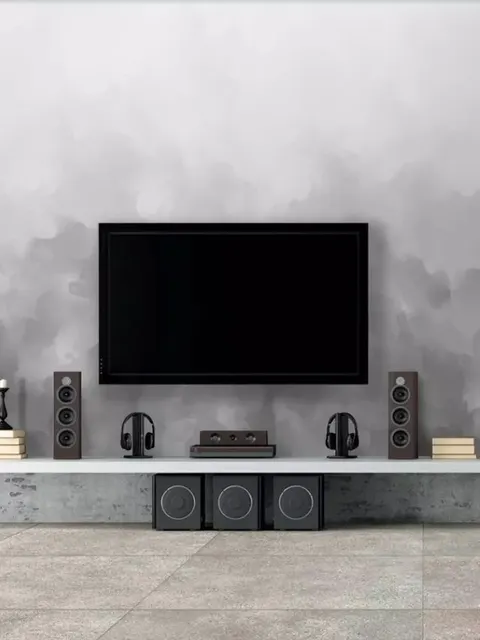

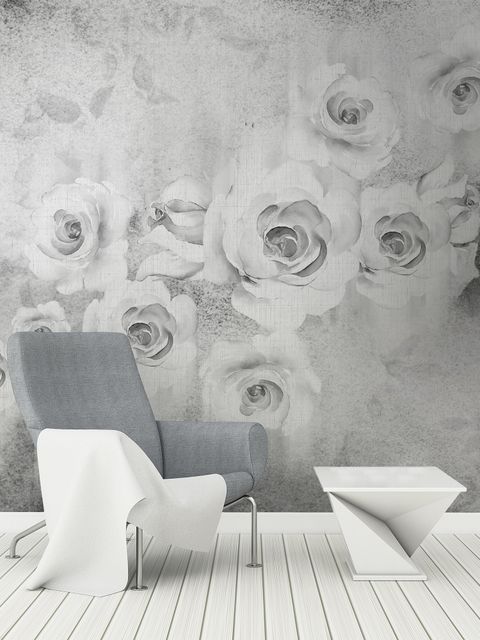
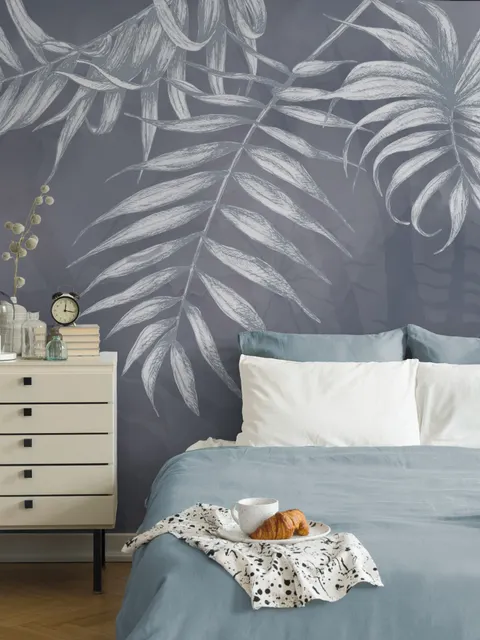
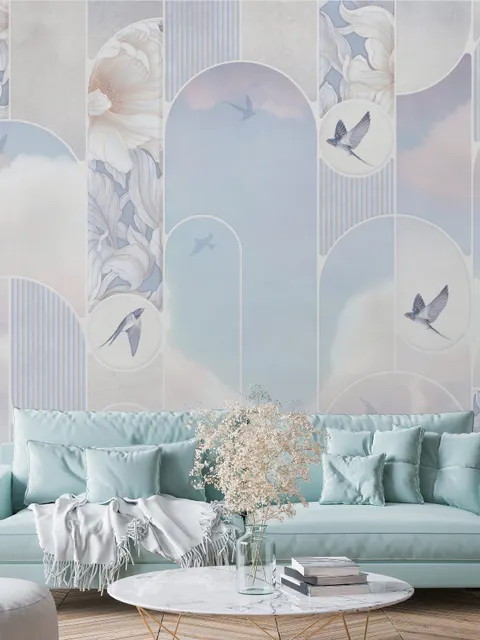
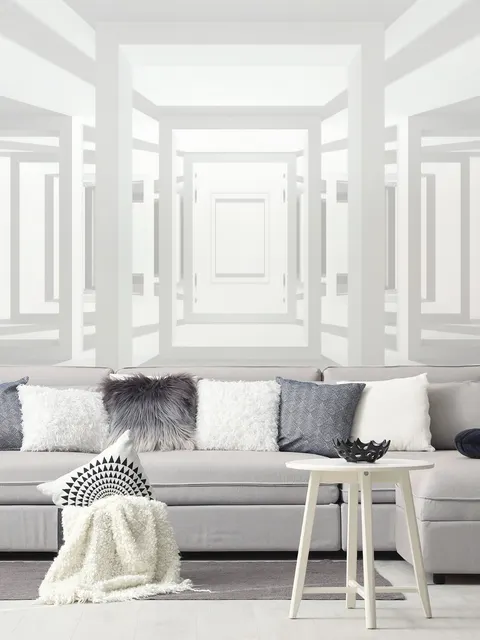
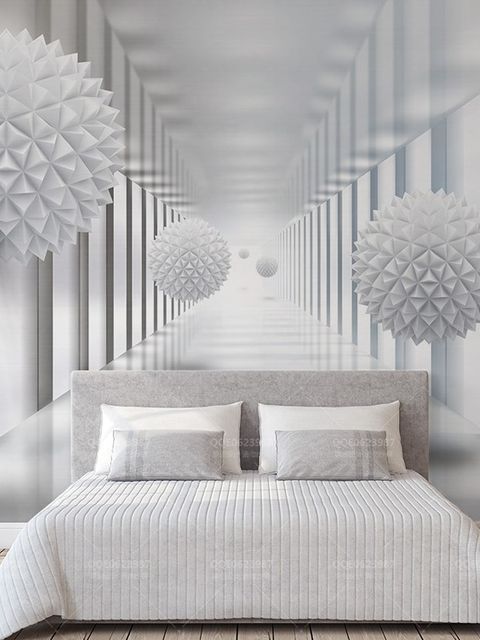
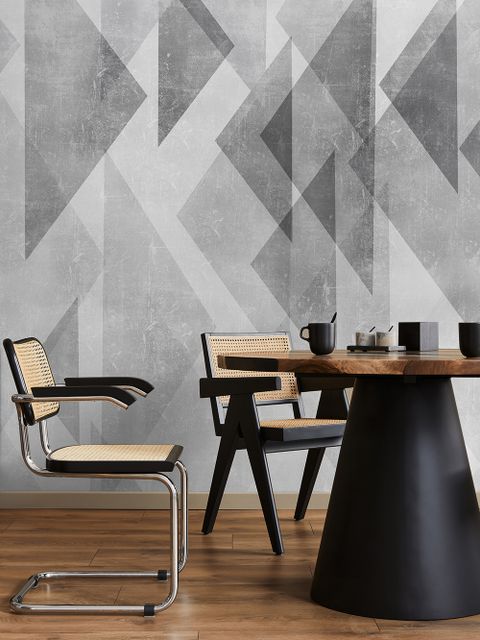

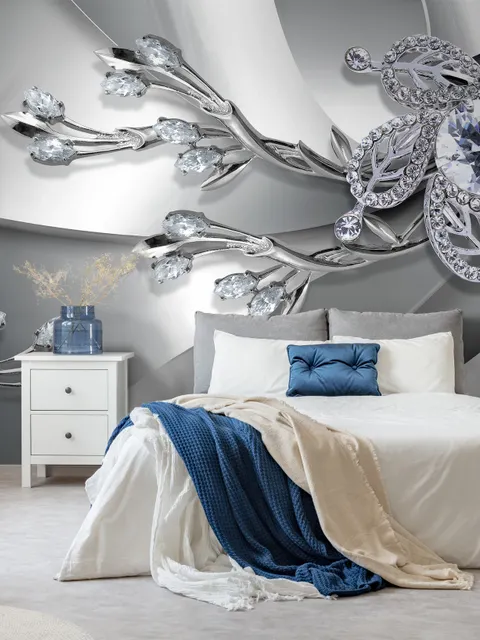
Silver Wallpaper for a Metallic, Modern Look
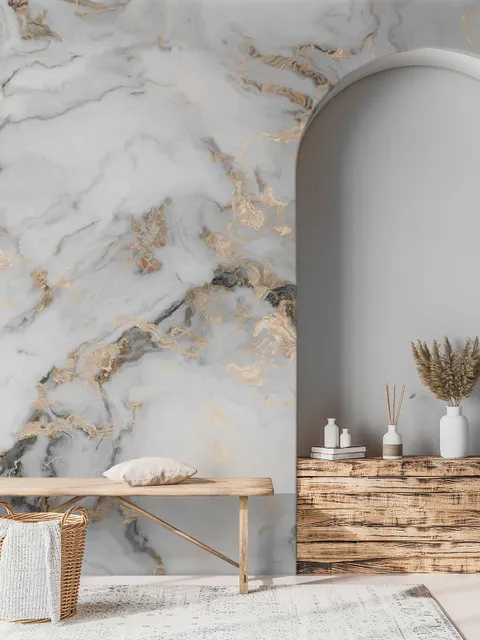
Silver sits between the neutrality of gray and the warmth of gold, which is exactly why designers reach for it when a room needs polish without heat. Unlike a painted wall, silver wallpaper murals catch and bounce light differently depending on the time of day, so the same wall can look soft and pearly in the morning and sharper, more reflective under evening lamps. That shifting quality is the main reason people choose silver over a flat gray or a plain white for a feature wall.
Types of Silver Wallpaper Finishes
Not all silver wallpaper behaves the same way on a wall. Brushed or pearlescent finishes have a soft, low-glare shimmer that reads as sophisticated rather than shiny, and they're the most forgiving option for walls that aren't perfectly smooth. True metallic foil is the most dramatic choice, with a mirror-like reflectivity that shows every seam and imperfection, so it needs a well-prepped, even surface. Textured silver designs, such as damask or geometric patterns rendered in silver ink on a matte base, sit in the middle, offering shimmer without the full metallic intensity.
Styling Silver Wallpaper in Your Home
Silver reads as cool, so it naturally pairs with other cool tones like charcoal, navy, and sage for a calm, tailored look. It also works as a bridge color, softening the contrast between black and white in a monochrome scheme, or toning down a bold jewel color used elsewhere in the room. Because silver reflects rather than absorbs light, it tends to look best with clean, uncluttered furniture lines rather than heavy ornate pieces, which can compete with the wall for attention. A single silver accent wall behind a bed or dining table is usually more effective than covering an entire small room, since the reflective quality needs distance to read properly.
Best Rooms and Mood for Silver Wallpaper
Silver works best in spaces where you want a sense of calm sophistication rather than energy. Bedroom wallpaper in silver benefits from a cool, quiet shimmer on a headboard wall, since it adds glamour without the visual noise of a bold color. Dining room and living room feature walls also suit silver well, especially in the evening when lamp light catches the sheen and makes the space feel more formal. Bathroom and powder rooms are another strong fit, since a smaller, contained space lets a reflective wallpaper read as luxurious rather than overwhelming.
As a mood, silver leans calming rather than energizing. It doesn't stimulate the way yellow or orange does, and it doesn't warm a room the way gold or brown does. Instead, it sits close to gray on the emotional spectrum, quiet, composed, and a little detached, but with just enough shimmer to keep the wall from feeling flat or cold. That makes it a better choice for spaces meant for rest or quiet entertaining than for a home gym, playroom, or any room where you want the color itself to lift energy.
Silver Compared to Other Metallics
Silver and gold wallpaper both add shimmer, but they signal different moods. Gold leans warm and traditional, often used for a richer, more formal feel, while silver feels contemporary and slightly industrial, especially in brushed or matte finishes. Compared to gray wallpaper, silver isn't just a darker or lighter shade, it's a finish, meaning it adds light-reflecting properties that flat gray paint or matte gray wallpaper simply can't replicate. That's the key distinction worth keeping in mind when choosing between the two. For more metallic and neutral options side by side, browse the full wallpaper by color collection.
Frequently Asked Questions
Living room feature walls, dining alcoves, headboard walls, hallway ends, and home office backdrops. Pick the first-in-view surface. If the print has metallic ink, prep the wall smooth and plan even side lighting.
Light silver on a matte or satin base reflects softly and helps the wall recede. Pale trim and a mirror opposite a window add to the effect. Very glossy foils or heavy contrast can make the wall feel nearer.
Matte controls glare and hides small flaws. Satin adds a gentle lift under lamps. True foil is dramatic but unforgiving, so use only on flawless walls with diffuse, dimmable lighting.
Anchor with clean white, soft grey, or charcoal. To warm the room, add oak, blush, or camel. For a cooler read, use indigo or sage. Keep hardware to one metal only, brass for warmth or chrome for a sharper look.
Gray is a flat, matte color, while silver is a finish that reflects light. A gray wall stays the same regardless of lighting, but a silver wall changes character throughout the day as light shifts across its surface. Choose gray for a calm, understated base, and silver when you want that same coolness with added shimmer.