
Bedroom Wallpaper


















How to Choose Bedroom Wallpaper
Bedroom wallpaper has to work around the bed, not just look good on an empty wall. A tall headboard, bedside lamps, a dresser, or curtains can hide quite a lot of the print once the room is furnished.
When choosing wallpaper for bedroom walls, check it in daylight and again with the lamps on. Colors often feel warmer at night. A smaller repeat is easier around furniture, while a larger design needs a clearer stretch of wall.
Bedroom Wallpaper Ideas for Accent Walls and Full Rooms
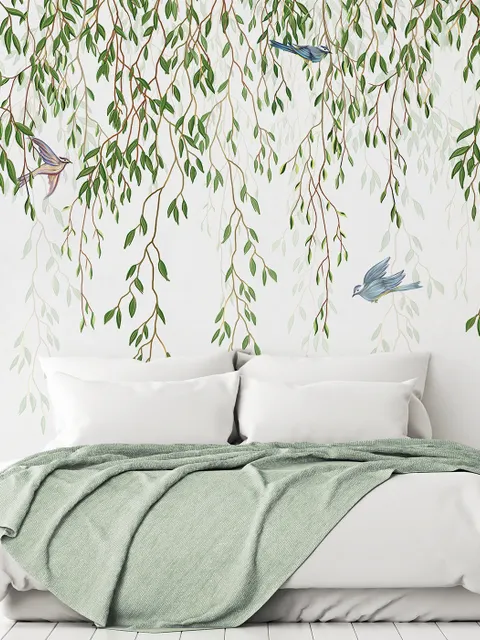
The wall behind the bed is an obvious starting point for bedroom wallpaper ideas. It already draws the eye, so a stronger print can frame the bed without adding more pictures or decor.
A few wallpaper ideas for bedroom spaces are especially easy to use:
-
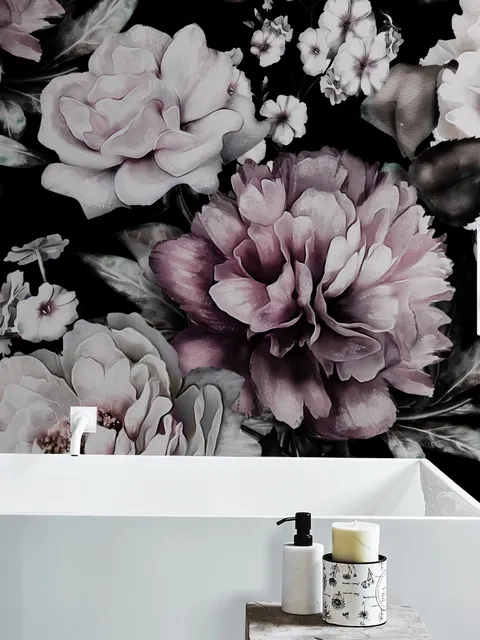
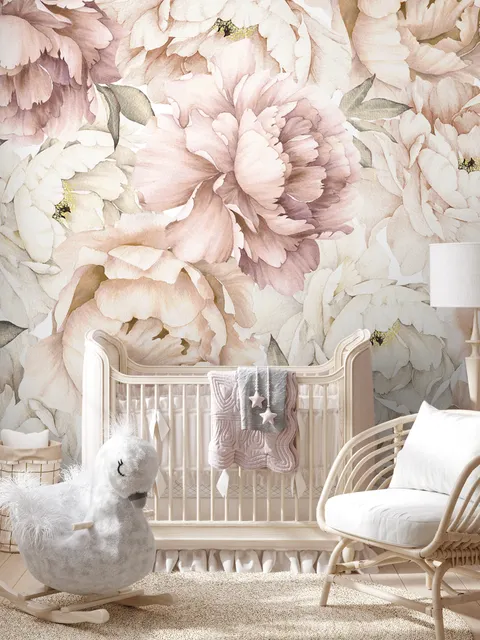
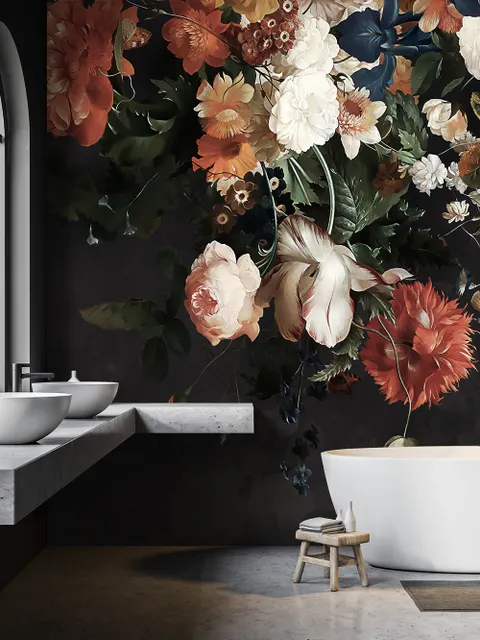
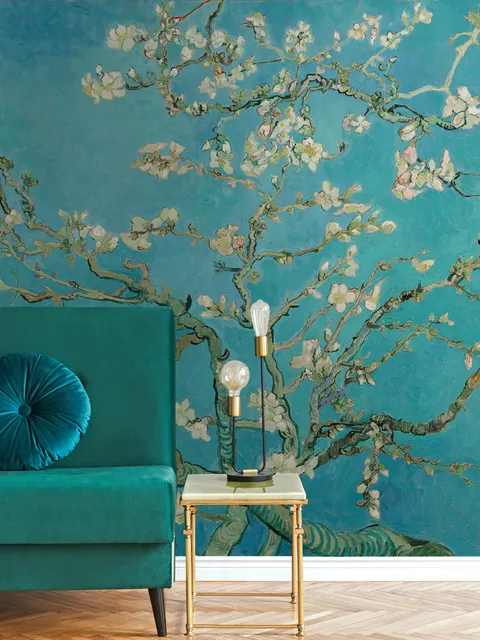
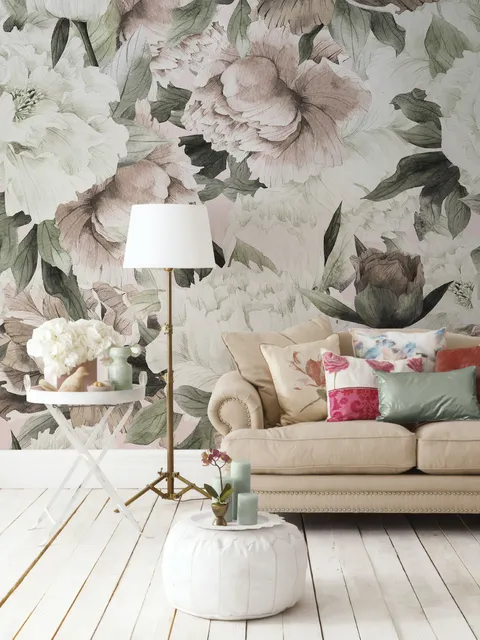
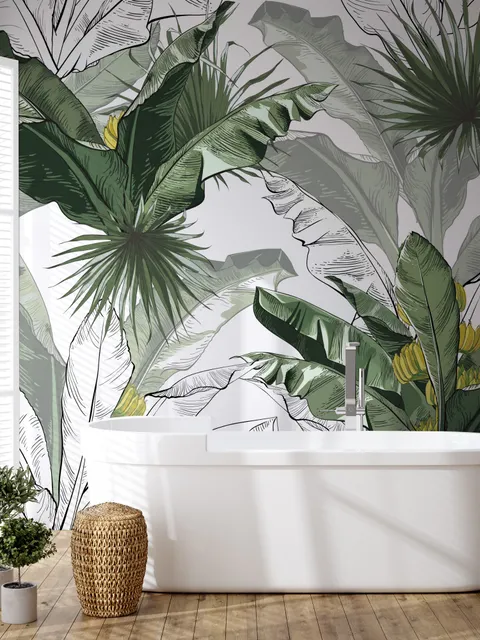
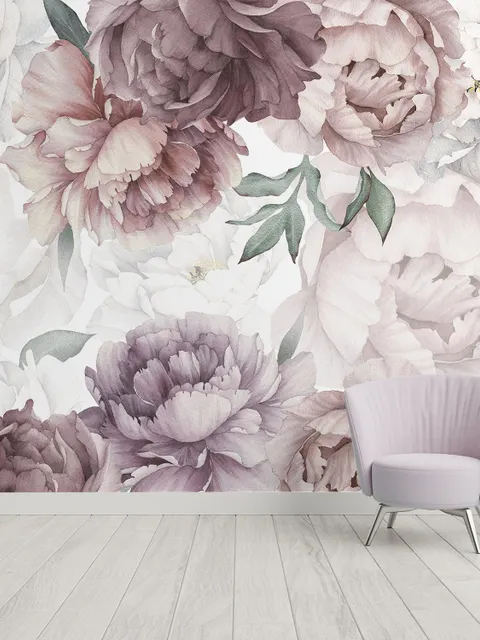
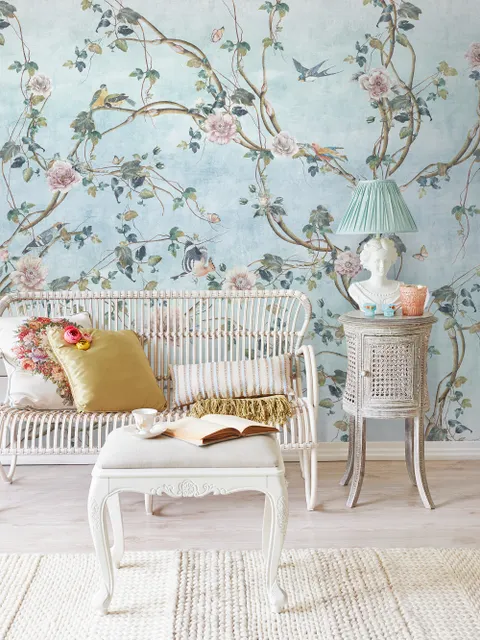
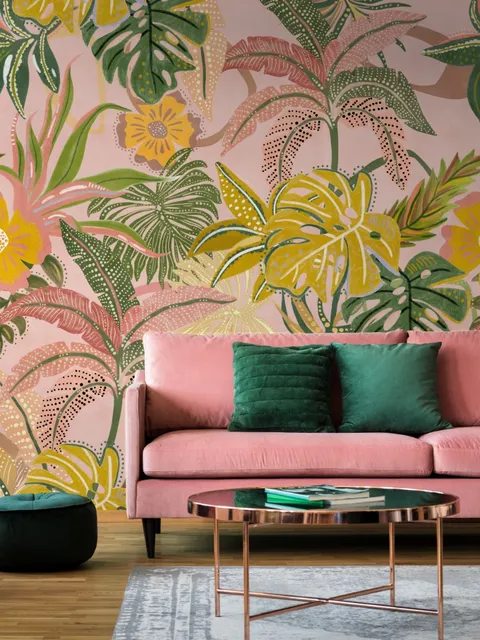
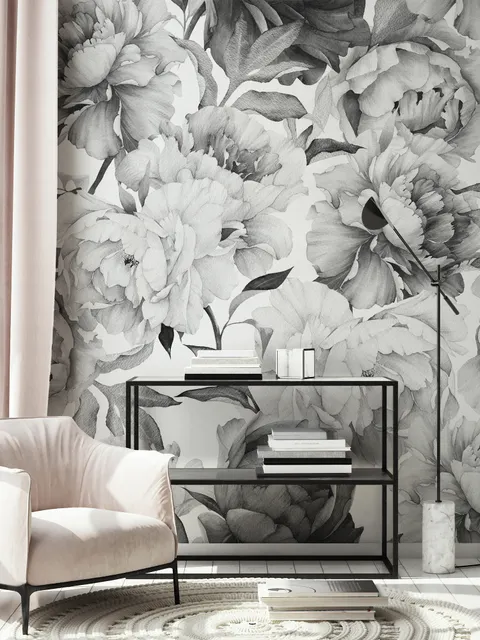
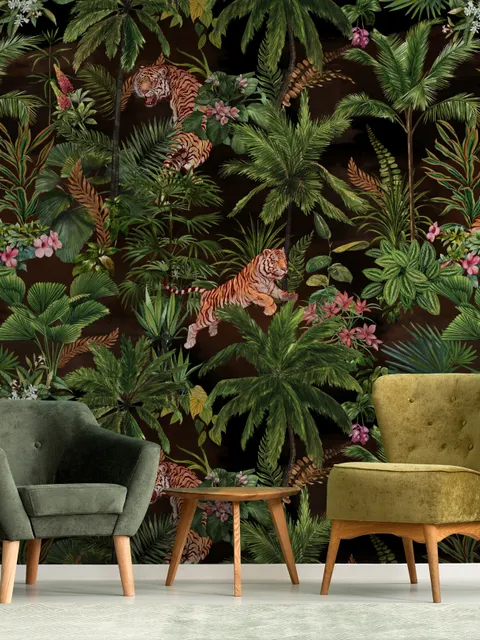
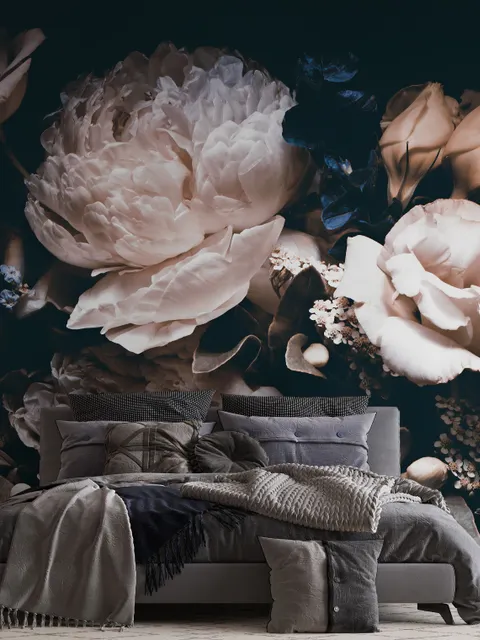
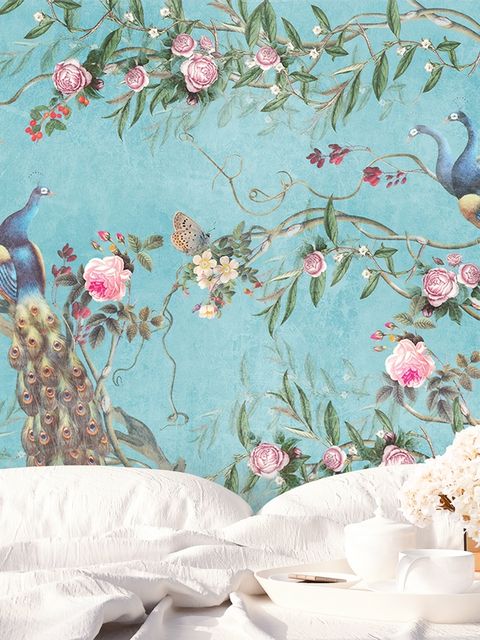
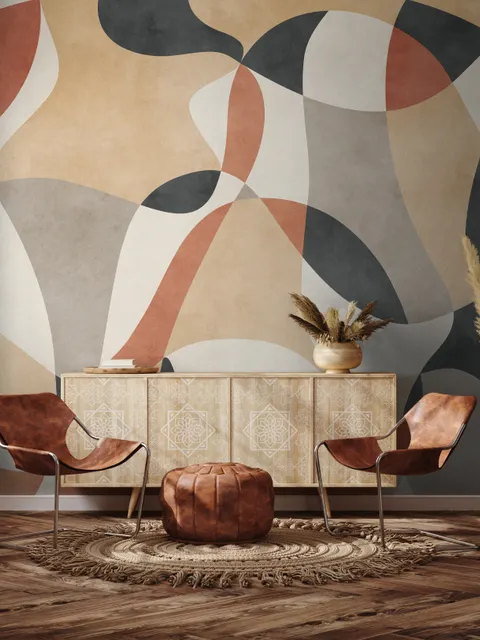
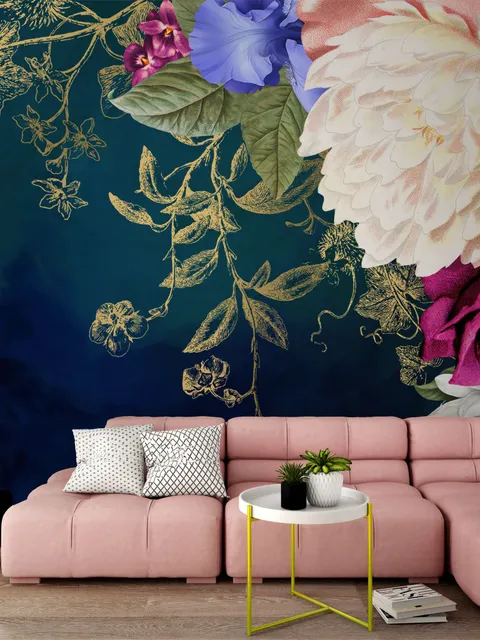
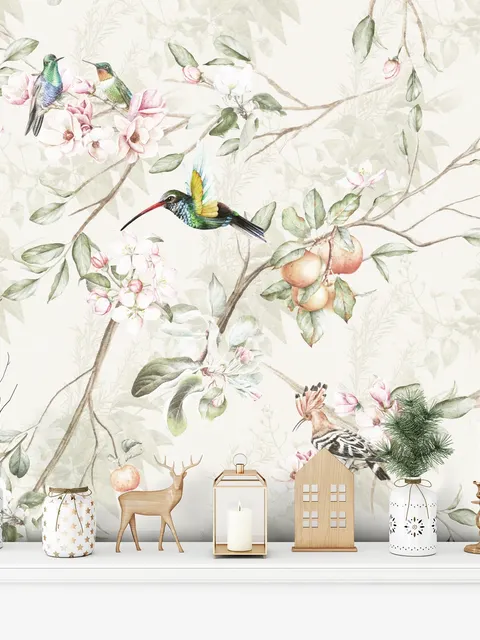
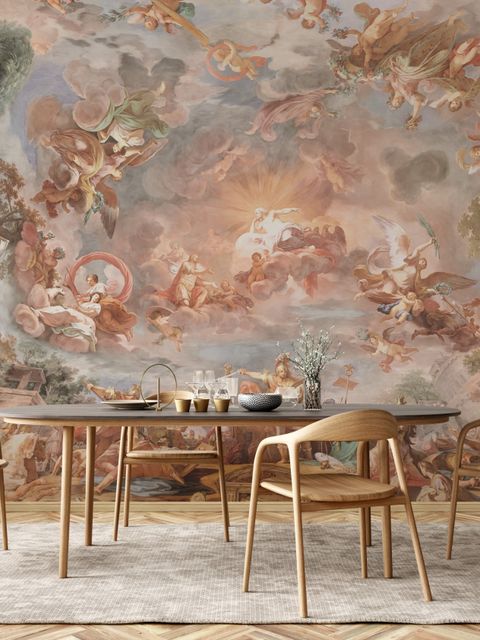
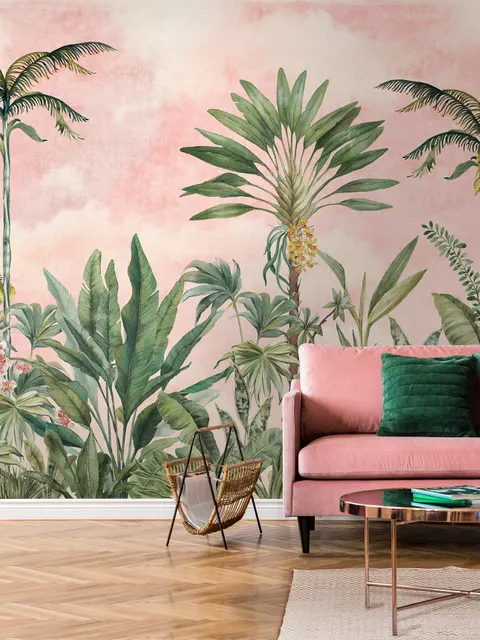
Use a mural behind the headboard. Bedroom mural ideas such as forests, botanicals, landscapes, or abstract scenes can give the bed a clear backdrop.
-
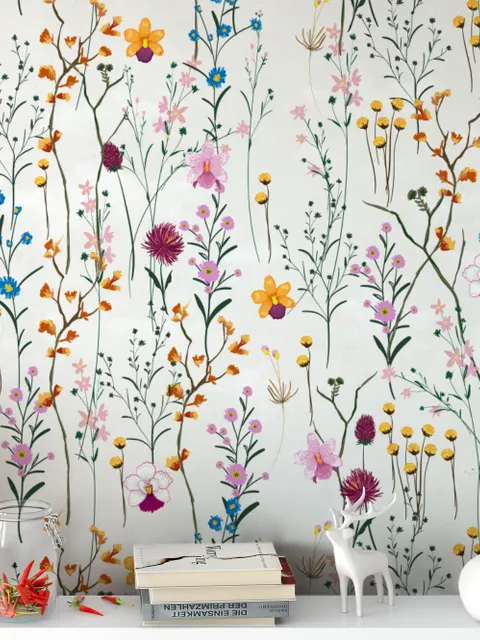
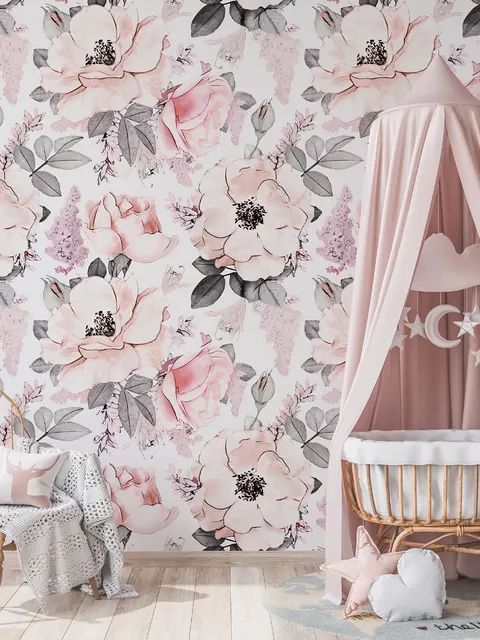
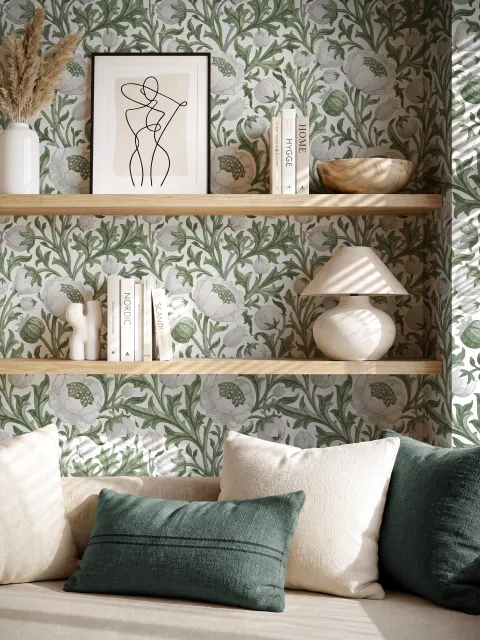
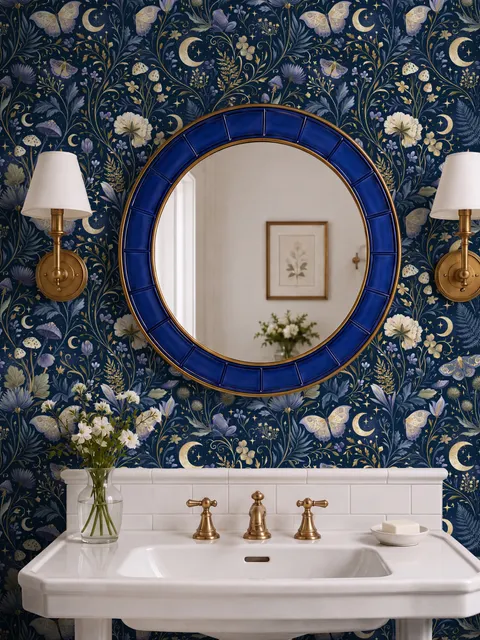
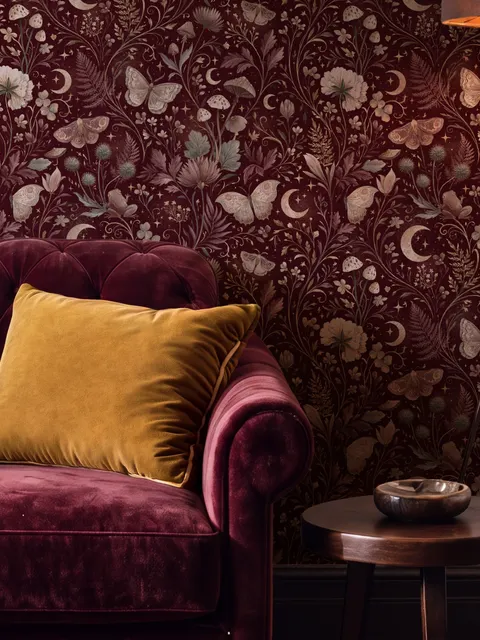
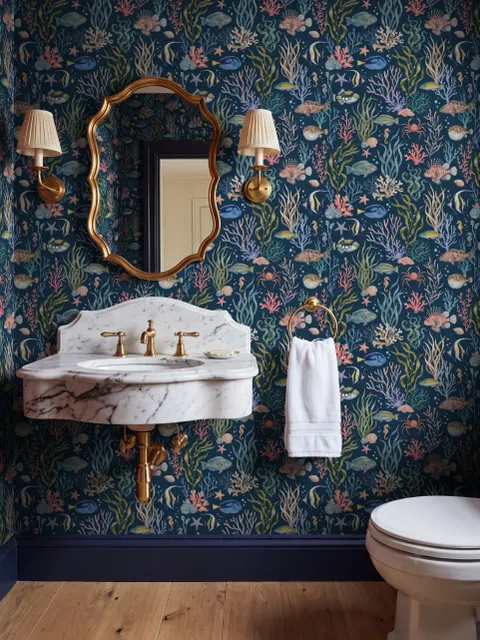
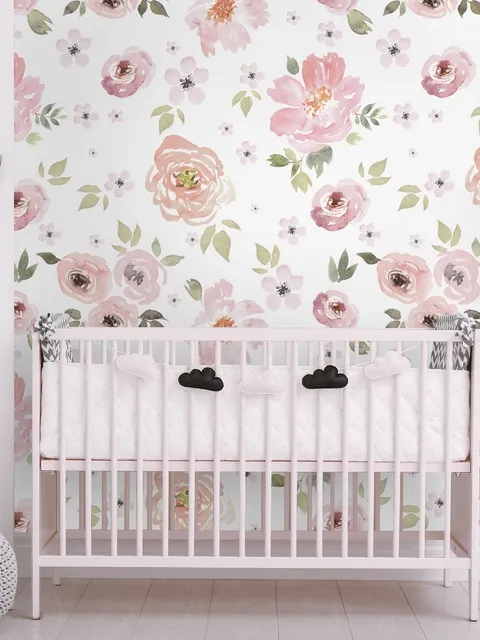
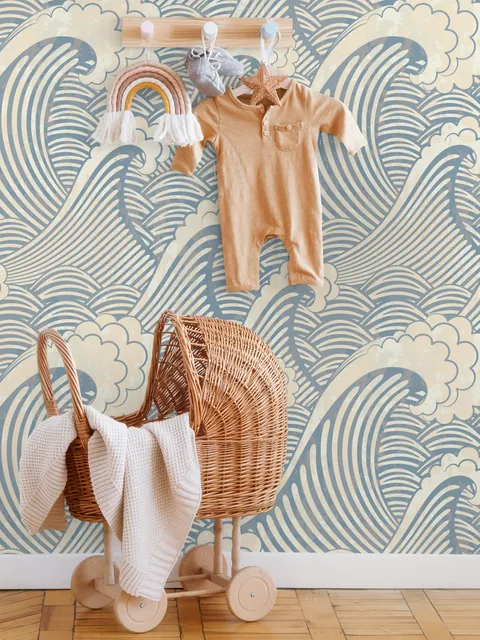
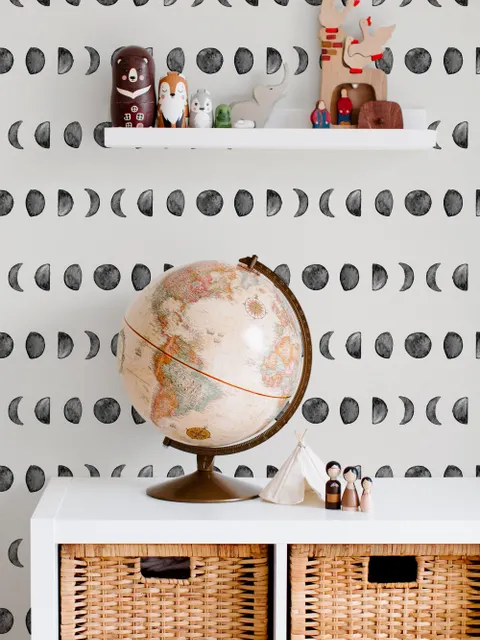
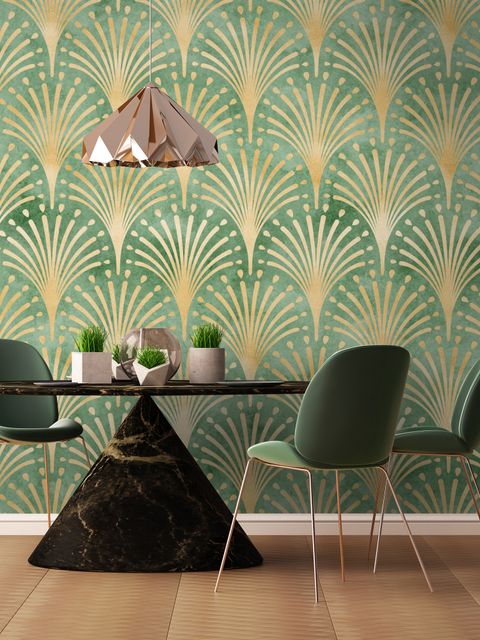
Take a repeating pattern around the room. Small florals or open geometric prints work well when you want more than one patterned wall.
-
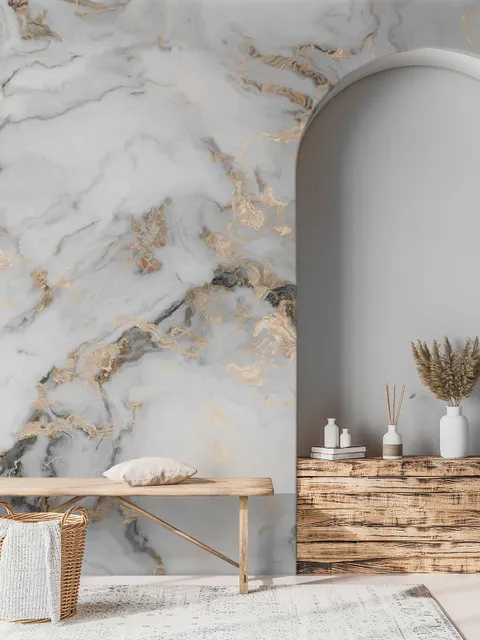
Use another open wall instead. Wall murals for bedroom interiors do not have to sit behind the bed. A side wall can be a better choice when windows, shelving, or a tall headboard break up that area.
If you are choosing wallpaper for bedroom accent wall use, check where the main part of the pattern will sit. Bedroom wall murals lose much of their effect when important details disappear behind furniture.
Murals for bedroom walls can also replace several smaller framed pieces, which keeps the room from feeling cluttered.
Choosing the Right Bedroom Wallpaper Material
Wallmur offers several options for selected designs:
-
Non-woven: good for a permanent bedroom update
-
Peel & Stick: useful for renters or easier future changes
-
Textured: useful when you want more surface character
-
Premium Textured: a good choice for a thicker, more substantial finish
Peel and stick wallpaper for bedroom spaces is useful when you want to avoid paste or may change the room later.
Frequently Asked Questions
Soft greens, blues, warm neutrals, and muted florals are easy to use, but pale colors are not the only option. Darker shades can work just as well when they suit the flooring, furniture, and amount of light in the room.
Look for a lighter background and some open space between the main details. A large motif can still work in a small bedroom if the pattern itself does not feel crowded.
Pick one or two shades from the wallpaper and repeat them in the bedding or curtains. There is no need to match every color exactly, and simpler fabrics usually work better beside a detailed print.