
Teal Wallpaper and Wall Murals
Teal wallpaper blends the calm of blue with the freshness of green, making it one of the most versatile colors for a soothing, coastal-inspired look. It works equally well as a soft bedroom backdrop or a bold living room feature wall.


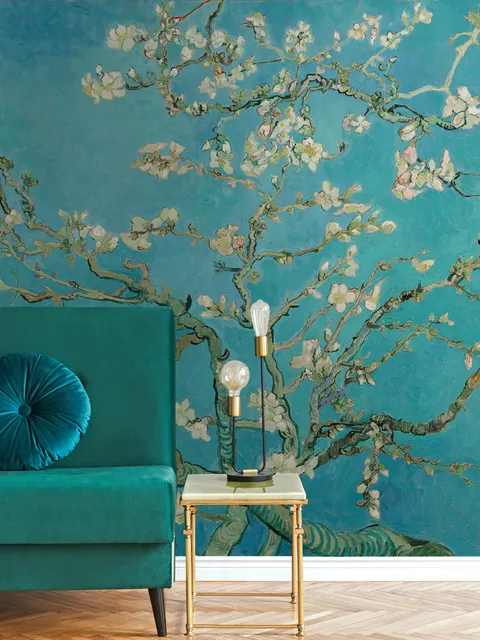
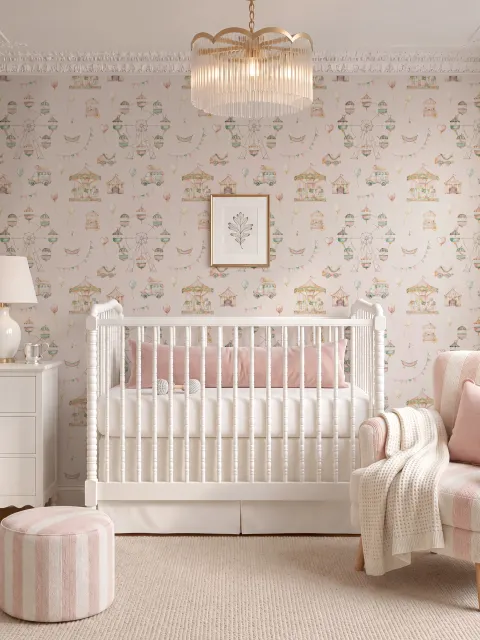
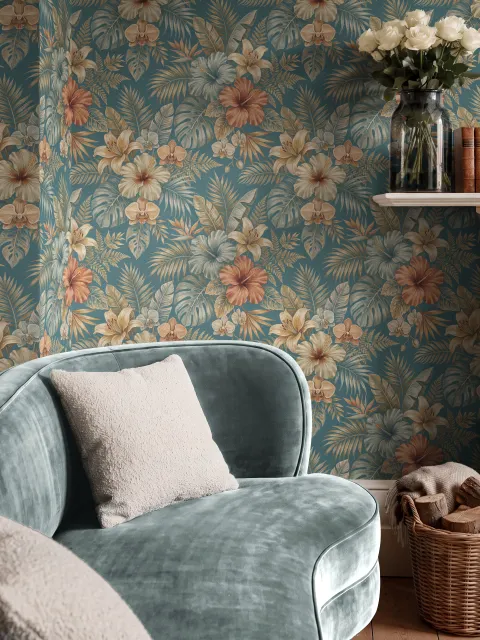
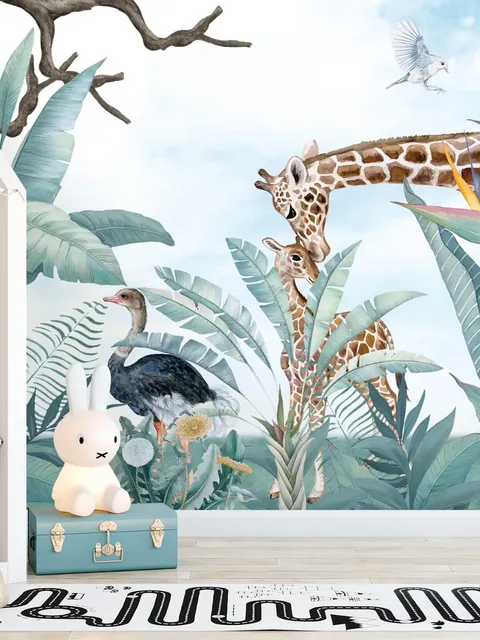
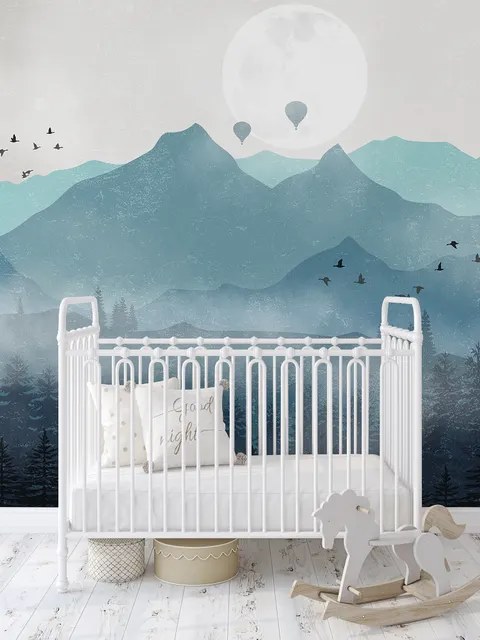
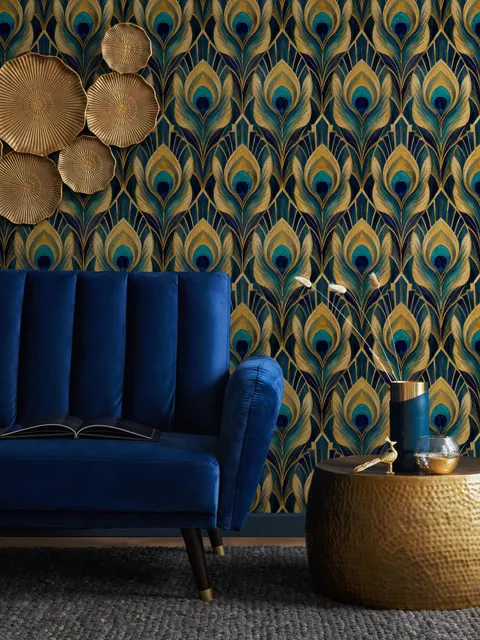
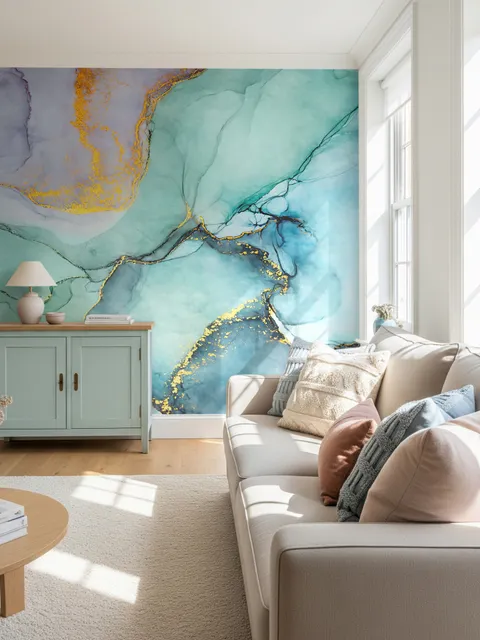
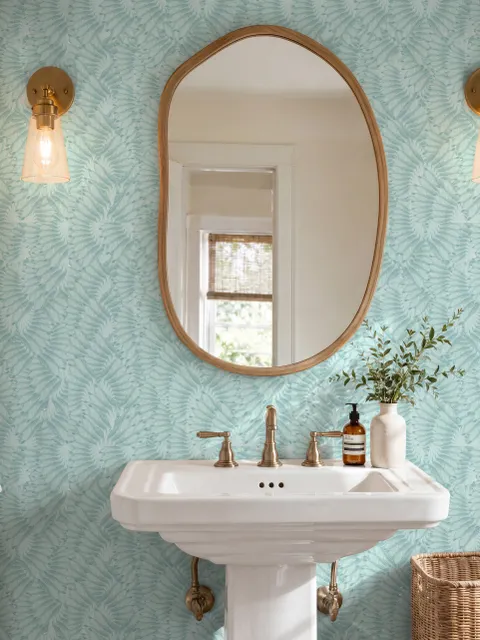
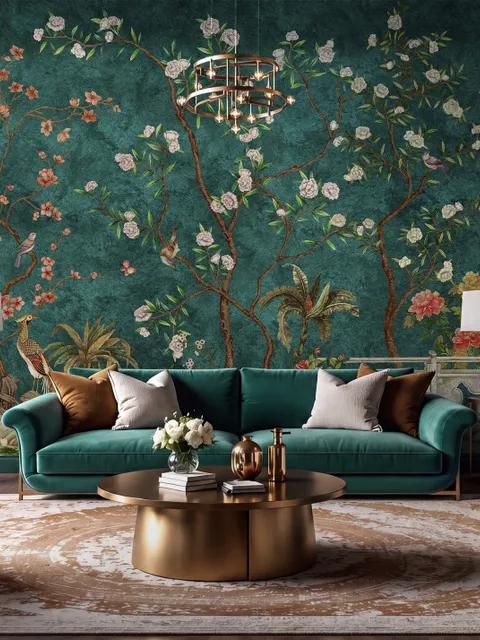
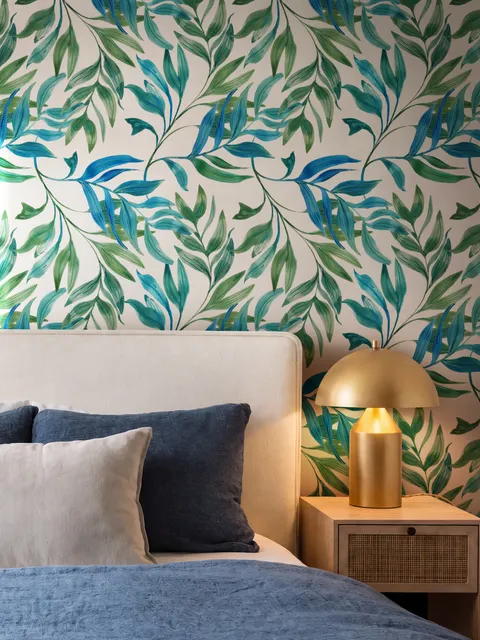
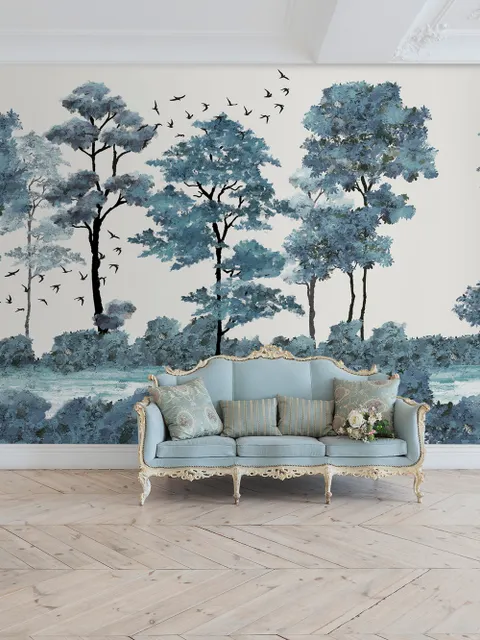
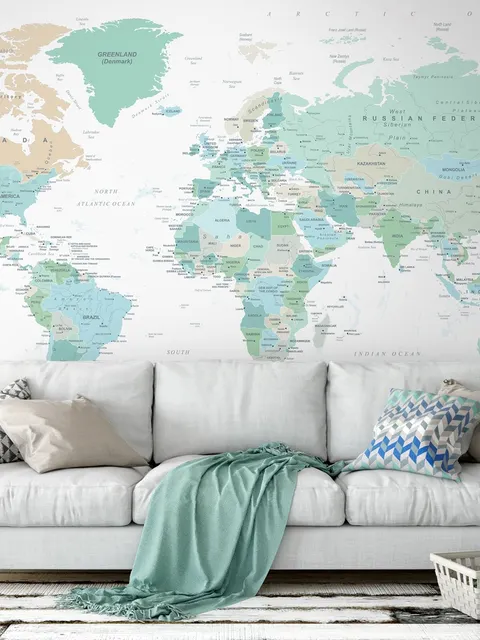
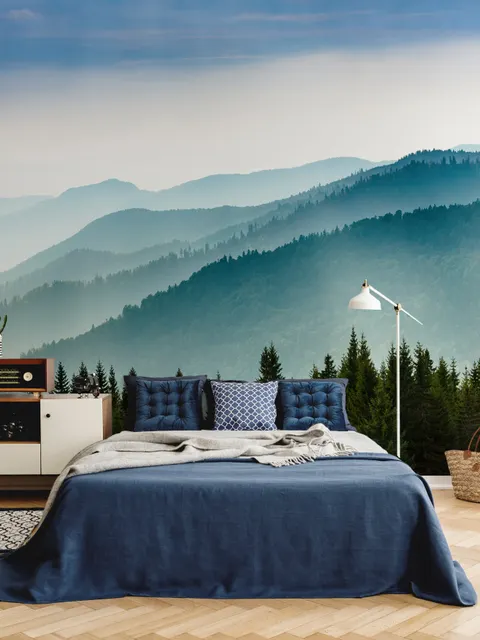

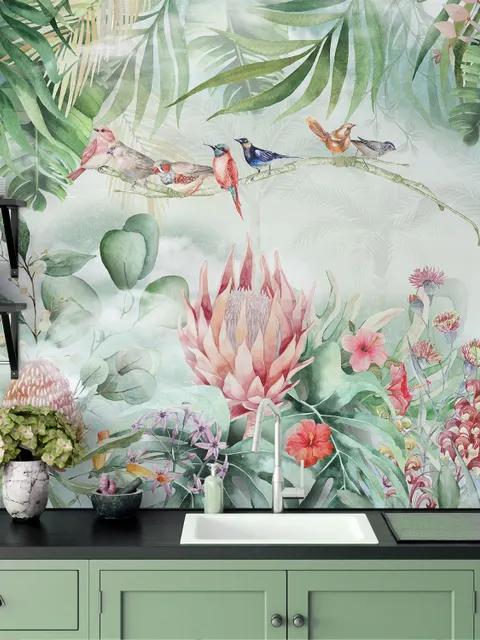
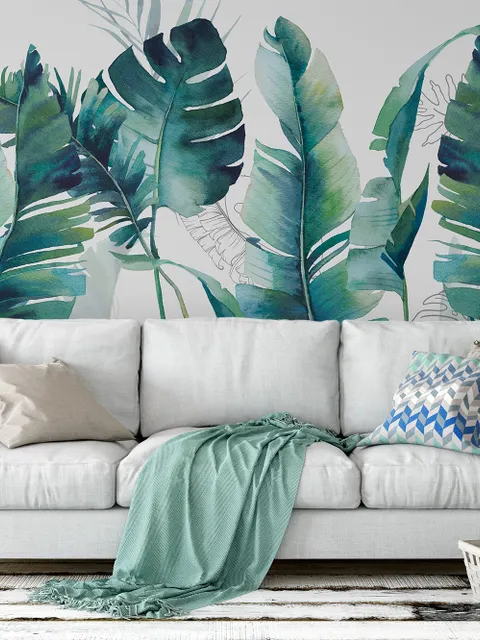
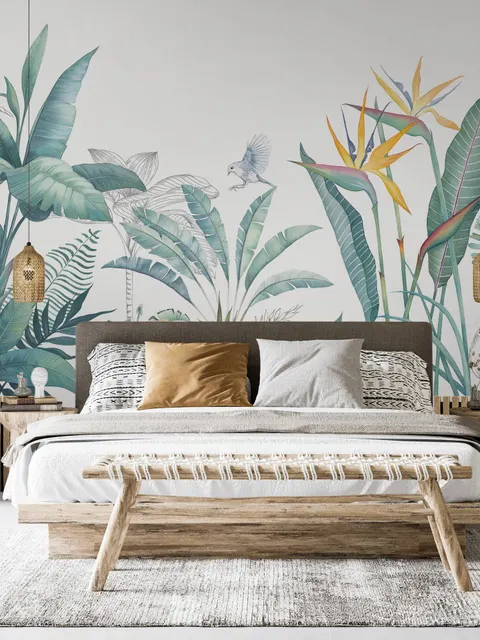
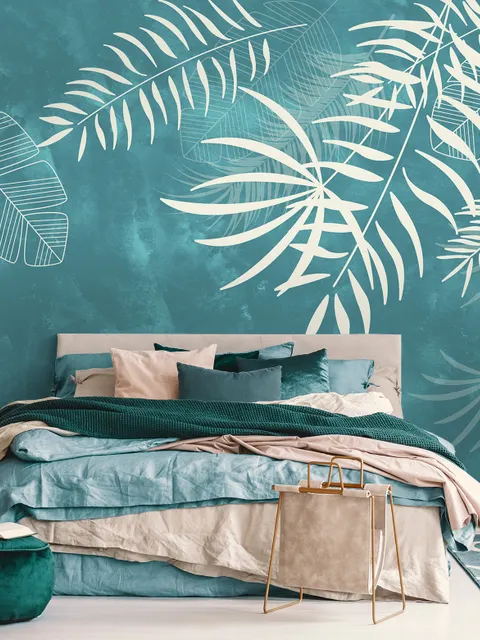
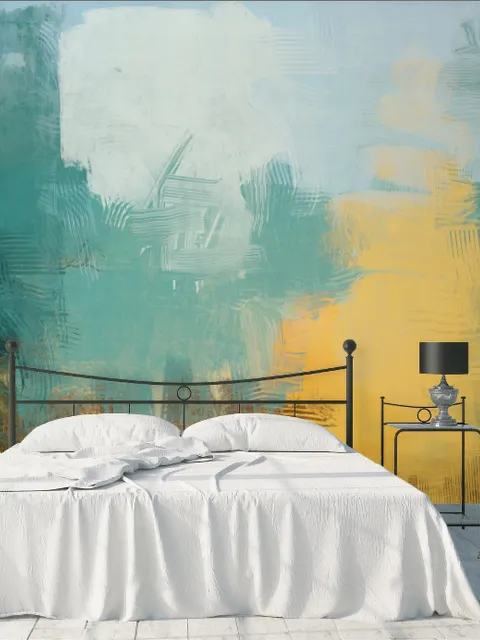
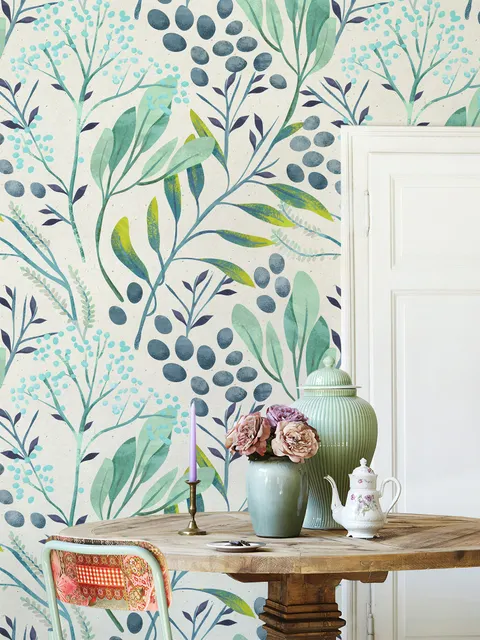
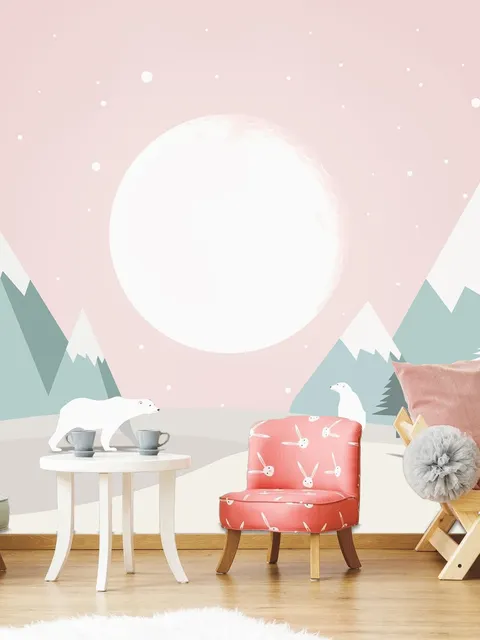
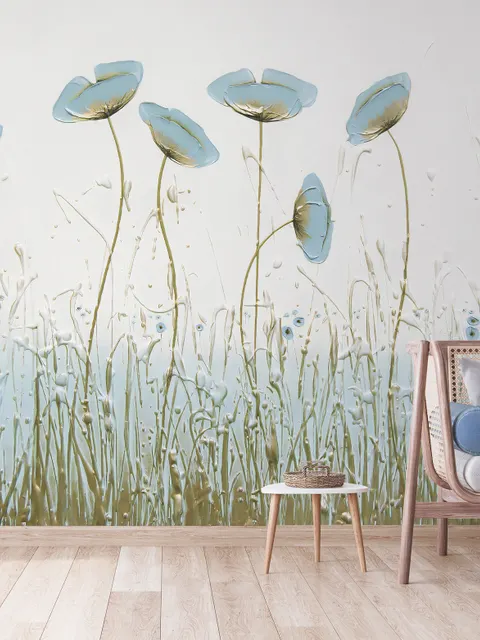
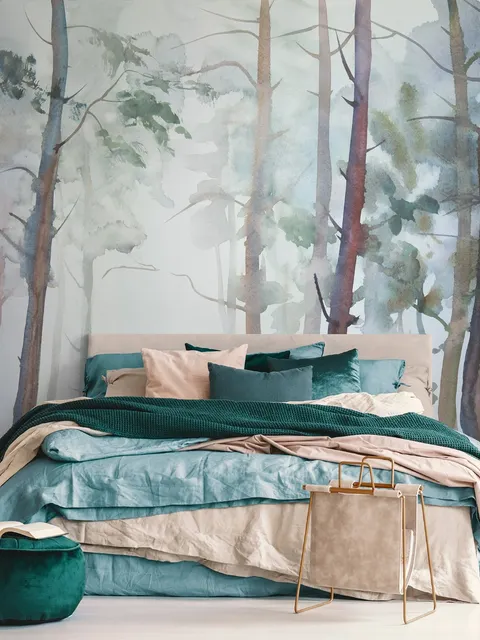
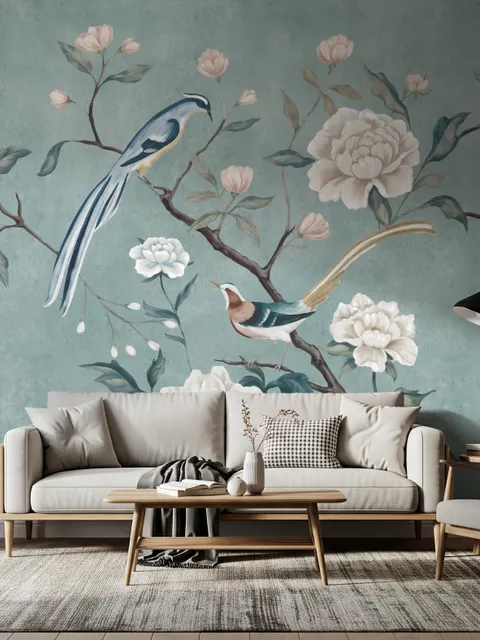
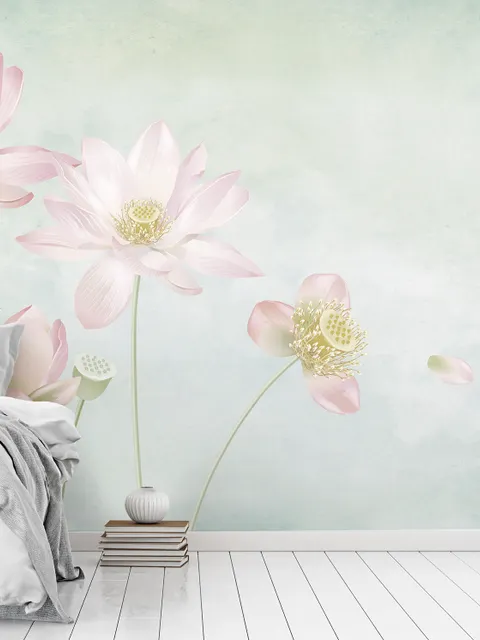
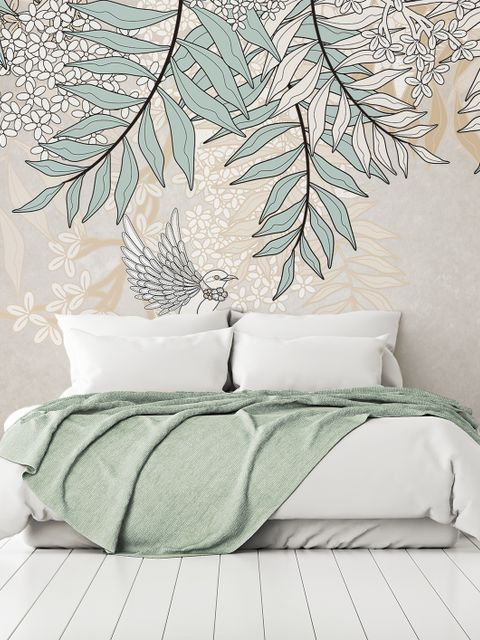

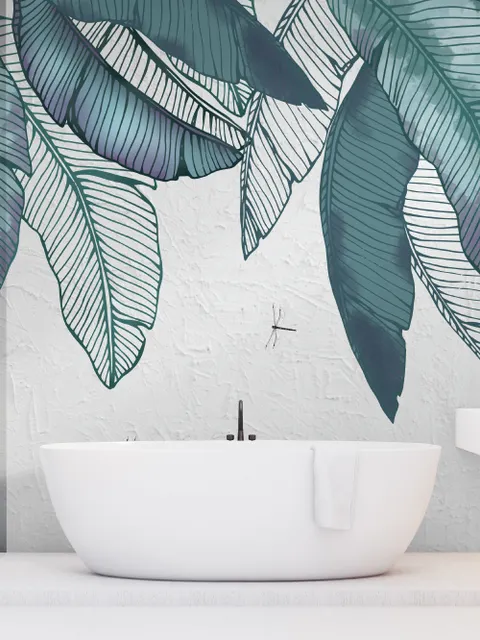
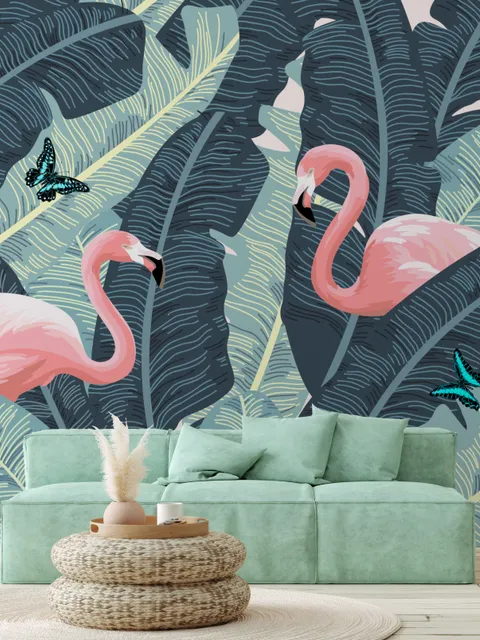


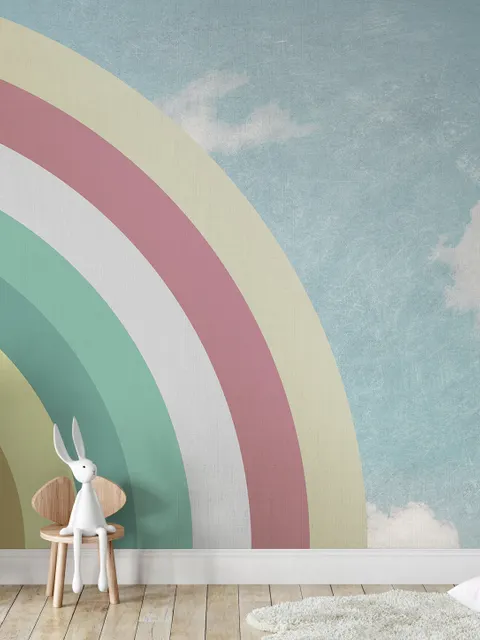
Teal Wallpaper for a Calm, Coastal Look
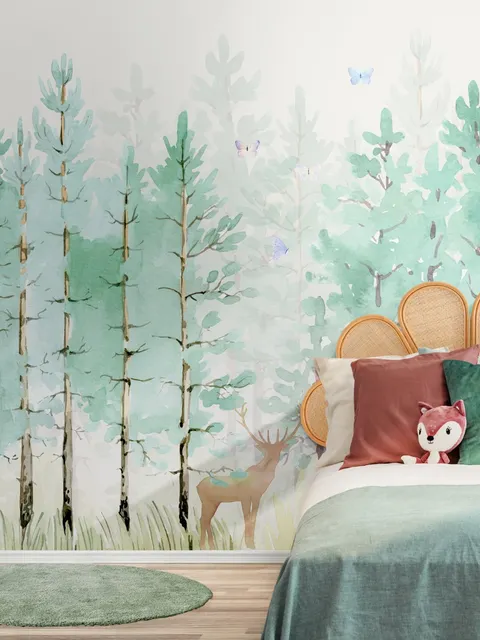
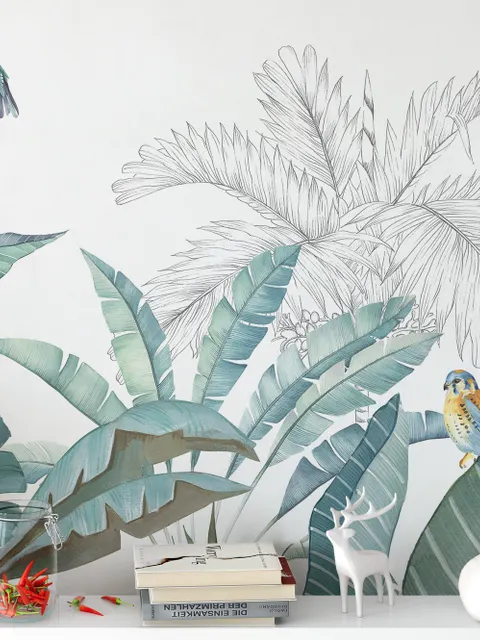
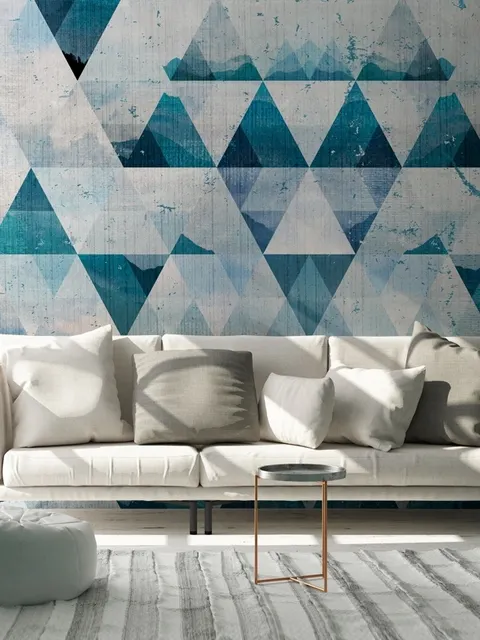
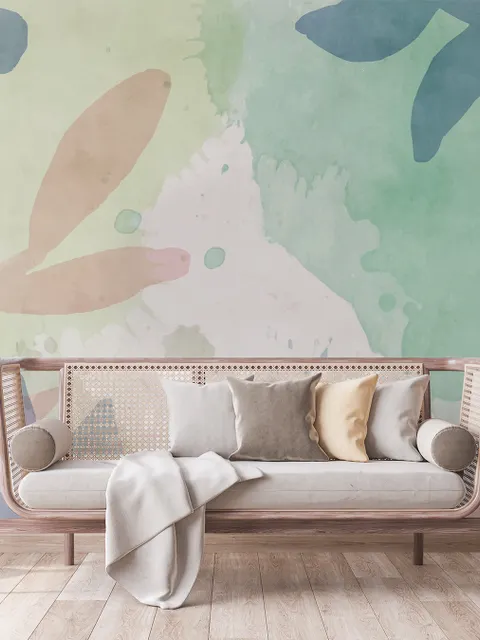
Teal sits exactly between blue and green, which is why it reads as both calming and fresh at the same time. The name itself comes from the Eurasian teal, a small duck whose head feathers show that same blue-green shimmer, which is where the color borrowed its name centuries ago. Wallmur's teal collection ranges from soft, muted botanical prints to bold geometric patterns, so the same color can feel like a quiet spa retreat in one design or a confident modern statement in another. That range is what makes teal one of the easiest colors to build a whole room around, rather than treating it as a single accent.
Styles and Finishes of Teal Wallpaper
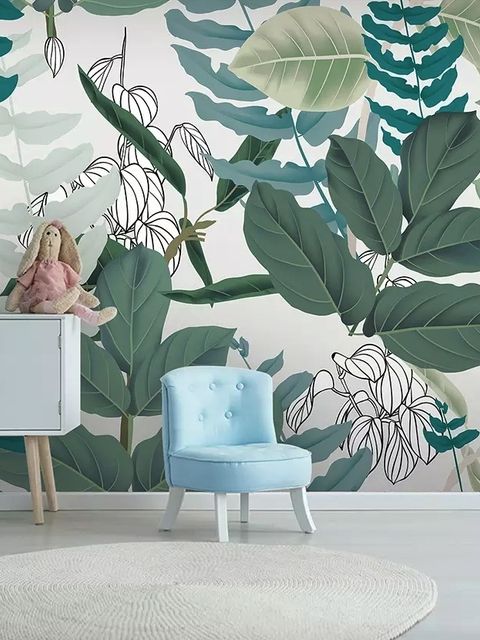
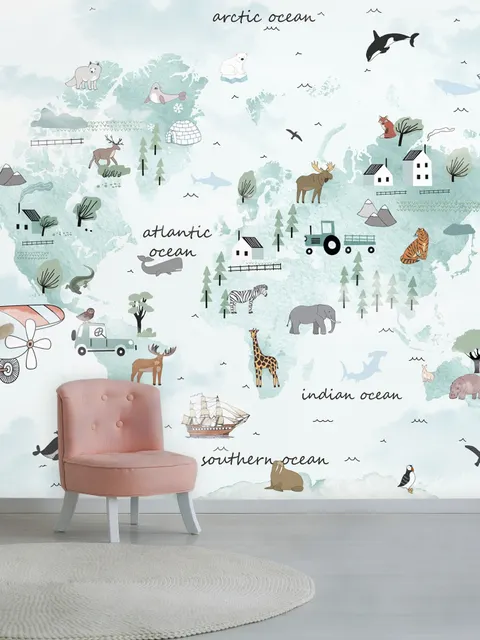
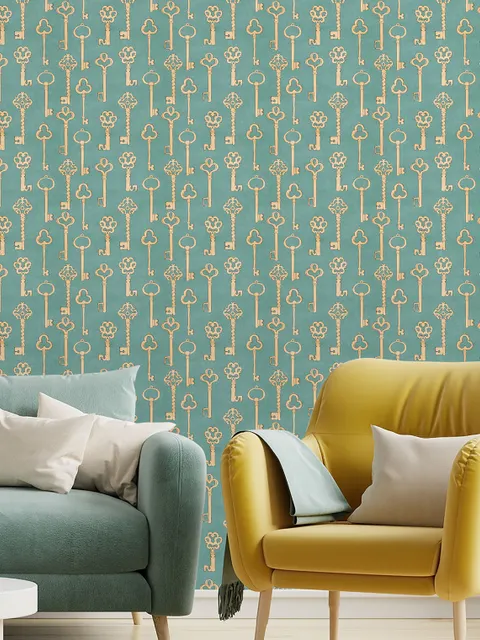
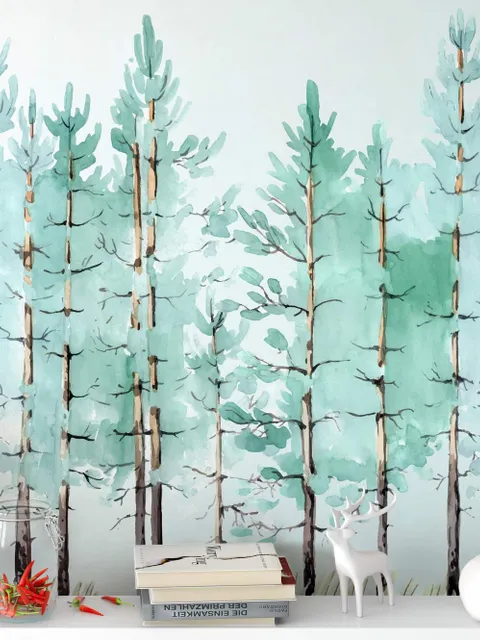
Teal appears across nearly every wallpaper style at Wallmur. In geometric wallpaper, it feels modern and graphic, ideal for a home office or a bold accent wall. Floral and watercolor wallpaper each soften the color, pairing teal with botanical or ocean themes for a more organic feel. For a seaside or nautical theme, coastal murals lean into teal's natural association with water. Vintage and damask patterns in teal add a more traditional, richer character, closer to a jewel tone than a beach color.
Best Rooms and Mood for Teal Wallpaper
Teal is one of the more adaptable colors on the mood spectrum, since it borrows the calm of blue and the balance of green. Bedroom wallpaper in a softer, muted teal supports rest without feeling as cold as a pure blue can. In the living room, a deeper or more saturated teal works as a confident feature wall that still feels welcoming rather than harsh. The kitchen and bathroom both benefit from teal's fresh, clean quality, especially in coastal or botanical patterns that suit a spa-like feel. Home offices and reading corners also do well with teal, since the color is associated with focus and calm rather than the high energy of yellow or orange.
Teal Compared to Blue, Green, Turquoise, and Emerald
Teal often gets grouped with blue or green wallpaper, but it behaves differently from either on its own. Pure blue can read as cool or even a little cold in a room with limited natural light, while teal's green undertone keeps it feeling warmer and more grounded. Compared to green, teal is less directly tied to nature and plants, and reads more sophisticated or coastal rather than botanical.
Teal is also frequently confused with turquoise and emerald, though the three create noticeably different moods. Turquoise leans brighter and more blue than teal, closer to shallow tropical water, which gives it a lighter, more playful, vacation-like feel. Emerald shifts firmly toward green and reads as richer and more dramatic, closer to a precious stone or a dark forest canopy than to the sea. Teal sits in the middle of the three, muted and balanced enough to work in both a calm bedroom and a bolder living room, which is exactly why it reads as more versatile than either of its brighter relatives.
Frequently Asked Questions
Teal wallpaper uses a blue-green color palette to add depth and style to a room. It can look modern, coastal, vintage, botanical, or classic depending on the pattern. Popular styles include teal and white designs, floral wallpaper, geometric patterns, damask prints, and softer teal designs for bedrooms or nurseries.
Teal works especially well in bedrooms, living rooms, nurseries, home offices, dining rooms, hallways, and reading corners. In bedrooms, softer teal patterns feel calmer, while in living rooms, bolder teal murals or teal and white wallpaper can create a strong feature wall. For nurseries or kids' rooms, lighter teal designs usually feel softer and more playful.
The best material depends on your wall surface and installation preference. Peel and stick suits smooth walls and easier self-adhesive installation, while non-woven is a traditional paste-applied option. For textured walls, choose textured or premium textured material, since smooth peel and stick and non-woven options aren't recommended for uneven surfaces.
Teal pairs well with white, cream, beige, soft gray, gold, brass, natural wood, navy, blush, terracotta, and muted green. For a calm look, combine teal with warm neutrals and light furniture. For a more dramatic room, use a deeper teal with black accents, dark wood, metallic details, or rich jewel-tone decor.
Teal leans calming rather than energizing, since it combines the coolness of blue with the balance of green. It doesn't stimulate a room the way yellow or orange does, but it also doesn't feel as detached as a pure gray or pure blue can in low light. That balance is why teal works in both restful spaces like bedrooms and social spaces like living rooms.